Every online store has cart abandoners. Most sellers only notice them as a number that hurts.
Close to 70% of shoppers who add something to their cart never pay for it, per Baymard Institute’s aggregate of cart abandonment research. Treated right, that group is not lost revenue. It’s a warm list of shoppers who already decided your product was worth adding to a cart.
| ~70% | 5-15% | RM 300-2,000/mo |
| Average cart abandonment rate, per Baymard Institute’s aggregate research | Carts recovered by email alone, per Klaviyo’s 2024 Ecommerce Benchmarks | Typical budget for a multi-channel abandoner recovery stack (SME store) |
What Is a Cart Abandoner?
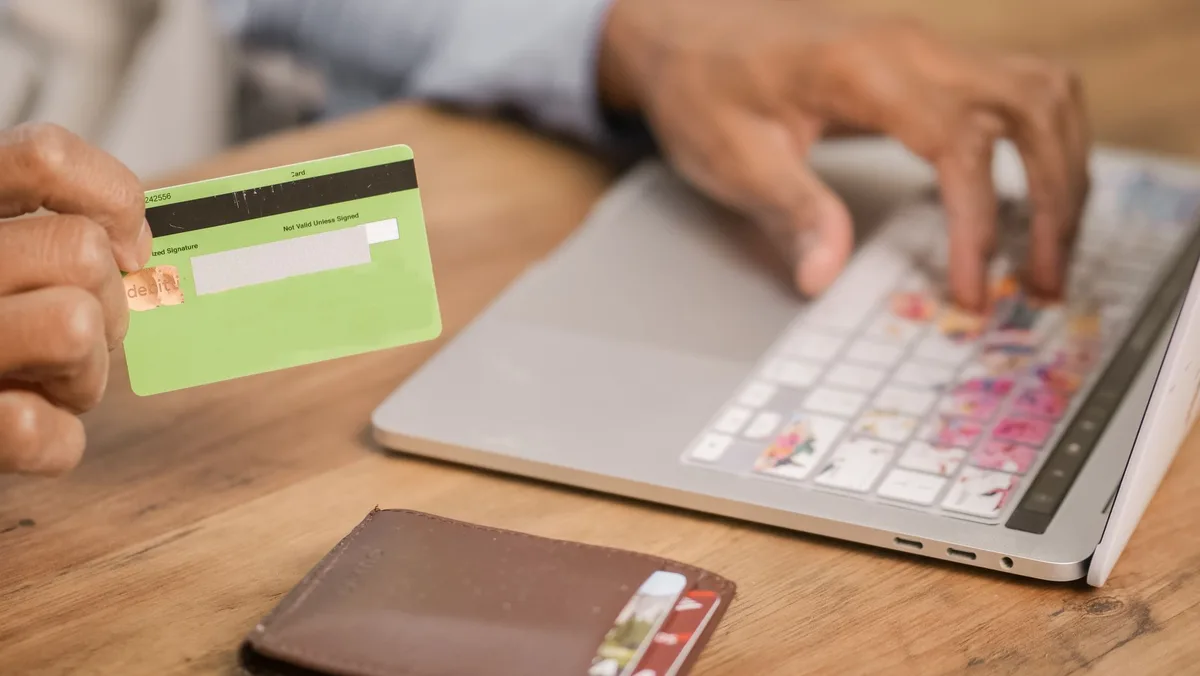
A cart abandoner is a shopper who adds one or more products to their online cart, and in some cases starts checkout, then leaves the store without completing payment. It is one of the most common shopper behaviors in ecommerce, not a rare failure, and it happens across every platform: Shopify, WooCommerce, Shopee MY, and Lazada MY alike.
The label covers a wide range of behavior. Some abandoners never intended to buy today, they were price-checking or saving an item for later. Others got all the way to the payment screen and stopped, usually because of something the checkout itself did wrong.
That distinction matters more than the abandonment rate itself. A seller who treats every abandoner the same way, with one generic reminder, recovers far fewer of them than a seller who matches the message to the reason they left.
What Are the Different Types of Cart Abandoners?
Cart abandoners generally fall into four groups: price checkers comparing options before committing, distracted browsers who got pulled away mid-session, sticker-shock abandoners who saw an unexpected fee at checkout, and window shoppers with no real intent to buy that day. Each type needs a different recovery message.
Grouping abandoners this way changes what you send them, not just when you send it.
The price checker. This shopper is comparing your product against Shopee MY, Lazada MY, or a competitor’s site in another tab. A generic “you left something in your cart” email won’t move them. A message that reinforces value, free shipping threshold, a return policy, a review count, gives them a reason to stop comparing and buy from you.
The distracted browser. A notification, a phone call, someone walking into the room. This shopper intended to buy and simply got interrupted. They need almost nothing beyond a reminder: what they left, and a fast way back to it.

The sticker-shock abandoner. Everything was fine until shipping and fees appeared at the final step. This shopper needs to see the corrected total addressed directly, not just a product reminder, or they’ll abandon the recovery message too.
The window shopper. Browsing, saving, building a wishlist without payment intent yet. Recovery messaging works less well here. A small discount or a restock alert (if the item is a limited size or color) is a better lever than urgency copy.
You don’t need a survey to tell these groups apart. Your store’s own analytics already show the pattern: check the time between “add to cart” and abandonment (seconds usually means price checking, minutes usually means distraction), and check whether the abandonment happened at the cart page or the payment page (payment-page drop-off points to sticker shock). Most Shopify and WooCommerce analytics dashboards already log this timing without any extra setup.
Which Channels Win Back Cart Abandoners Most Effectively?
Email, SMS/WhatsApp, retargeting ads, and on-site exit-intent popups each recover a different slice of cart abandoners, because each one reaches the shopper through a different piece of information you captured (or didn’t capture) at checkout. Most Malaysian sellers get the strongest results by running at least two of these together, not relying on one alone.
No single channel reaches every abandoner, because not every abandoner leaves the same trail behind.
| Channel | Best For | Malaysia-Specific Note |
|---|---|---|
| Shoppers who entered an email before leaving | Free with Shopify Email; WooCommerce needs a plugin like CartFlows | |
| SMS / WhatsApp | High-intent, mobile-first shoppers who shared a phone number | Needs a WhatsApp Business API provider or local SMS gateway; no native automation exists |
| Retargeting ads (Meta, Google) | Shoppers who didn’t leave any contact info | Works even for Shopee MY and Lazada MY-driven traffic that lands on your own store first |
| On-site exit-intent popup | Catching the abandoner before they leave the tab | Works on Shopify and WooCommerce only, not on a marketplace listing page |
Stacking channels doesn’t simply multiply Klaviyo’s 5-15% email-only recovery figure. Each channel catches a different reason a shopper left, so adding SMS or retargeting on top of an existing email flow typically lifts the total recovered share, without the channels competing for the same shopper’s attention.

Not sure which channel would recover the most carts for your store? Run your numbers through the free StoreFuel ROAS calculator to see what a recovered cart is actually worth against your ad spend. 2 minutes. Free. No pitch.
How Much Should You Budget to Recover Cart Abandoners in Malaysia?
Most Malaysian SME sellers can run a solid cart abandoner recovery stack for RM 300-2,000 per month: email automation (often free on Shopify), a WhatsApp or SMS provider (RM 100-500), and retargeting ad spend sized to store traffic. Stores under RM 20,000 in monthly revenue rarely need to spend past the low end of that range.
Budget scales with how many channels you run at once, not with store size alone.
Under RM 20,000/month revenue. Start with email only. Shopify Email’s free abandoned-checkout automation, or a free-tier WooCommerce plugin, covers this stage. No ad spend needed yet.
RM 20,000-80,000/month revenue. Add SMS or WhatsApp reminders (roughly RM 100-500/month depending on message volume and provider) and a small retargeting budget, often RM 300-800/month is enough to stay in front of abandoners who didn’t leave contact details.
Above RM 80,000/month revenue. All four channels running together, plus a paid email/SMS platform like Klaviyo or Omnisend for conditional logic (different messaging for first-time versus repeat abandoners).
Whatever the budget, email comes first. It’s the cheapest channel to set up and, per Klaviyo’s benchmark data, already recovers 5-15% of carts on its own before you spend a ringgit on ads.

How Do You Build a Cart Abandoner Recovery Timeline and Track the Right KPIs?
A cart abandoner recovery timeline runs in the first 72 hours: an email within 1 hour, a WhatsApp or SMS follow-up around 24 hours if you have that contact channel, and retargeting ads running continuously in the background for shoppers you can’t reach directly. Track recovery rate, revenue recovered, and cost per recovered cart to know if the setup is working.
Speed matters more in the first hour than at any later point, because intent fades fast once a shopper closes the tab.
Hour 1: email. A plain reminder, no discount. This catches distracted browsers and price checkers who were already leaning toward buying.
Hour 24: SMS or WhatsApp (if available). A stronger nudge, ideally naming the product directly. This channel typically gets read within minutes, since it lands on a phone screen the shopper already checks constantly.
Ongoing: retargeting ads. Running in parallel from hour 1 onward for shoppers who didn’t leave an email or phone number. This is the only channel that reaches an anonymous abandoner.
Hour 48-72: optional discount. For carts still unrecovered after the first two touches, a modest discount can close the gap for sticker-shock and price-checker types. Don’t lead with a discount, or shoppers learn to abandon carts on purpose to trigger one.
Three numbers tell you whether the setup works:
- Recovery rate. The share of abandoned carts that convert after a recovery touch. Compare against Klaviyo’s 5-15% email-only benchmark as a floor, not a ceiling, once SMS and retargeting are added.
- Revenue recovered. Recovered carts multiplied by average order value. This is the number that justifies the monthly spend on tools and ads.
- Cost per recovered cart. Total recovery spend (SMS/WhatsApp fees plus retargeting ad spend) divided by recovered orders. If this creeps above your average order margin, a channel is underperforming and needs a message or targeting fix, not more budget.

Review these three numbers monthly, alongside your broader ecommerce conversion optimization work, since a recovery rate that drifts down over time often points back to a checkout problem rather than a messaging problem.
Frequently Asked Questions
What is a cart abandoner?
A cart abandoner is a shopper who adds one or more products to their online cart, and in some cases starts checkout, then leaves without paying. Close to 70% of online shoppers do this at least once, per Baymard Institute’s aggregate research, so it is a normal part of ecommerce, not a sign your store is broken.
Is a high cart abandonment rate always a bad sign?
No. A rate near the ~70% industry average, per Baymard Institute, is normal even for well-run stores. A rate meaningfully above that, or one that climbs month over month, is the signal worth investigating, usually pointing to a specific checkout or pricing problem rather than general store quality.
How long should a cart abandoner recovery campaign run before you call it a failure?
Give a new multi-channel recovery setup at least 4 full weeks of typical traffic before judging it, since abandoned-cart volume is often too low week to week for a fair read. Stores under 1,000 weekly sessions should wait 6-8 weeks so the recovery rate isn’t skewed by a handful of orders.
Can WhatsApp be used to recover abandoned carts in Malaysia?
Yes, through a WhatsApp Business API connection via a provider that supports ecommerce triggers, since WhatsApp does not offer a native abandoned-cart automation the way Shopify Email does. It works only for shoppers who shared a phone number at checkout, so it supplements email rather than replacing it.
Do cart abandoners on Shopee or Lazada behave the same way as on a standalone store?
No. Shopee MY and Lazada MY track abandoned carts internally and may send their own reminder notifications, but sellers get no access to that shopper’s email or phone number. Recovery tactics in this guide apply only to a store you control: Shopify, WooCommerce, or a standalone checkout.