Paid ads stop the moment your budget does.
That is the trap most Malaysian ecommerce sellers fall into — spending RM 3,000 or more per month on Facebook Ads, seeing real results, then watching traffic drop to zero the moment the campaign pauses. Content marketing builds an audience that keeps coming back without funding every visit.
This guide covers every content marketing channel that works for Malaysian ecommerce sellers in 2026: what each channel delivers, how it performs in this market specifically, and where to start if you sell on Shopee MY, Lazada MY, or your own website.
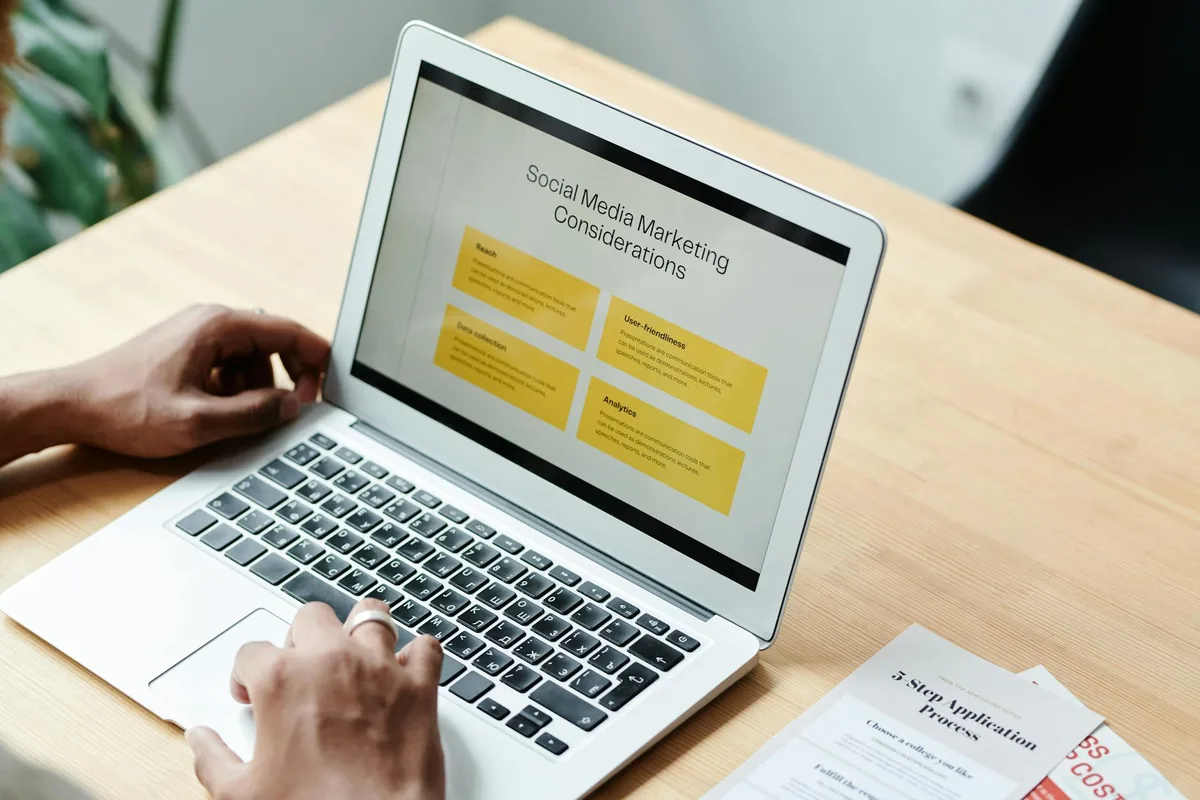
What Is Ecommerce Content Marketing?
Ecommerce content marketing is a strategy where online sellers create and distribute valuable content — videos, emails, blog posts, social media posts — to attract shoppers and drive repeat sales without relying entirely on paid advertising. Research from the Content Marketing Institute consistently shows that content-led strategies generate significantly more leads at lower cost than outbound-only approaches, with content marketing producing roughly 3x more leads at approximately 62% lower cost per lead.
For a Malaysian seller, this looks different from what most US or UK guides describe. Your audience splits attention between Shopee, Lazada, and their social feeds — and the platforms driving discovery here are TikTok, Instagram, and WhatsApp, not Pinterest or X.
Ecommerce content marketing in Malaysia covers:
- Social media content — TikTok videos, Instagram Reels, Facebook posts that drive product discovery and Shopee/Lazada traffic
- Email marketing — Automated welcome sequences and broadcast campaigns through platforms like Omnisend or Mailchimp
- TikTok affiliate content — Creator partnerships through TikTok Shop Affiliate that generate promotional content on a commission-only basis
- Blog and SEO content — Long-form guides that capture organic search traffic and build brand authority over time
- WhatsApp Business — Broadcast lists for flash sale announcements and loyalty communication with repeat customers
Each channel has different costs, timelines, and audience reach characteristics. The sections below cover the most important ones for Malaysian sellers, with links to full spoke guides for each.
Why Does Content Marketing Work for Malaysian Ecommerce Sellers?
Content marketing works because it builds an owned audience you can market to repeatedly at near-zero marginal cost. Malaysia’s internet penetration exceeded 97% as of the MCMC Annual Industry Performance Report 2024, and platforms like TikTok — with approximately 17–18 million Malaysian users (Statista, 2025 estimates) — give small sellers access to significant organic reach without paid ad spend.
The economics are compelling when you put paid and organic side by side:
| Channel | Cost to reach 1,000 people | Stops when budget stops? | Long-term compounding? |
|---|---|---|---|
| Facebook/Instagram Ads | RM 300–1,500 (typical MY range) | Yes | No |
| TikTok organic content | Near zero (time cost only) | No | Yes — viral views accumulate |
| Email marketing | RM 10–50 per 1,000 sends | No | Yes — list grows over time |
| SEO blog content | Zero after content creation | No | Yes — rankings compound |
| Shopee/Lazada paid ads | RM 200–2,000 per 1,000 clicks | Yes | Minimal |
The case for content is not that paid ads are useless — they work. Facebook Ads remain an effective channel for Malaysian ecommerce sellers when structured correctly. The case is that content marketing reduces your dependence on any single paid channel and creates revenue resilience.
A seller with 5,000 email subscribers and 50,000 TikTok followers can drive significant sales from a product launch without spending a ringgit on ads. Building toward that position is the goal.
Which Social Media Platforms Should Malaysian Sellers Focus On?
Malaysian ecommerce sellers should prioritise TikTok and Instagram for product discovery, with Facebook for community and remarketing. TikTok has grown into Malaysia’s most influential product discovery platform — particularly for impulse purchases under RM 200 — driven by the combination of organic short-video reach, TikTok Shop native checkout, and an active affiliate creator ecosystem.
Platform selection depends on your product category and target buyer age:
TikTok — Highest organic reach of any platform in Malaysia right now. Strongest for impulse-purchase categories: beauty, food, fashion, household goods, gadgets. Live selling and affiliate content drive traffic directly to Shopee and Lazada listings. Requires consistent video production (3–5 posts per week to build momentum).
Instagram — Better fit for lifestyle products, fashion, homewares, and anything that benefits from visual presentation. Reels drive discovery; Stories work for daily engagement and sale countdowns. Conversion rates for marketplace redirect tend to be lower than TikTok, but average order values are typically higher.
Facebook — Most relevant for products targeting buyers aged 30 and above. Seller groups, Facebook Live streams, and WhatsApp-linked broadcasts are the most effective tactics. Organic reach for product posts is lower than TikTok, but Facebook’s retargeting audience is mature and well-structured.
WhatsApp Business — Underused by most Malaysian ecommerce sellers. Broadcast lists to repeat customers produce open rates that far exceed email for flash sale announcements, particularly around 9.9, 11.11, and Raya campaigns. Best treated as a retention channel, not acquisition.
For platform-by-platform strategy, posting cadences, and content formats specific to Malaysia, see the full social media marketing guide for Malaysian ecommerce sellers.

How Does Email Marketing Drive Repeat Sales for Ecommerce Stores?
Email marketing delivers the highest documented ROI of any digital marketing channel. The Litmus 2024 State of Email Marketing report found businesses earn an average of $36 for every $1 spent on email — and for Malaysian ecommerce sellers with an engaged subscriber list of even 500–1,000 contacts, email regularly outperforms social media for repeat purchase rate.
The model for Malaysian ecommerce sellers is straightforward:
- Build your list — Shopee and Lazada do not share customer email addresses. You must capture emails through your own website, a lead magnet, or a checkout incentive.
- Send a welcome sequence — 4–6 automated emails over 10–14 days introducing your brand, sharing useful content, and making a first-purchase offer.
- Broadcast campaign emails — Send dedicated emails 1–2 weeks before major Malaysian shopping events: 9.9, 11.11, 12.12, Hari Raya, Chinese New Year, and Shopee and Lazada payday campaigns.
- Automate re-engagement — Set up a win-back sequence for subscribers who have not purchased in 60–90 days, offering an exclusive discount or early access to a new product.
The platform question for Malaysian sellers is typically Omnisend versus Klaviyo. Both integrate with Shopify and WooCommerce, but they differ on pricing (Omnisend is more affordable at Malaysian subscriber volumes), automation templates, and the availability of local payment support.
Want to grow your organic traffic without spending on ads? Get the free SEO Quick Wins Checklist — 15 no-cost fixes built for ecommerce stores in Malaysia and Southeast Asia. Download the checklist →
For a full feature comparison and pricing in RM by store size, see the Omnisend vs Klaviyo guide for Malaysian sellers.
How Do You Build a Content Calendar for Your Ecommerce Store?
A practical ecommerce content calendar maps your posting schedule across active channels against Malaysia’s major shopping events. Malaysian ecommerce has 8–10 high-revenue shopping festivals per year — 9.9, 10.10, 11.11, 12.12, Hari Raya, Chinese New Year, and monthly payday campaigns — where content should ramp up 2–3 weeks before the event to maximise reach when buyers are actively browsing.
The biggest planning mistake Malaysian sellers make is treating every month the same. The revenue opportunity during 11.11 or Hari Raya can exceed a typical month’s total — your content output needs to reflect those spikes.
A functional monthly content calendar for a Malaysian ecommerce seller looks like this:
Weekly recurring content:
- 3–5 TikTok product videos (evergreen formats: product demos, before/after, how-to use, customer reactions)
- 3–4 Instagram posts (product, lifestyle, customer testimonials, and educational content in rotation)
- 1 email per week (alternate between value-first content and promotional campaigns)
- WhatsApp broadcast once per week or twice during campaign periods
Pre-campaign content (2–3 weeks before each major event):
- Teaser posts building anticipation
- Email announcement with early access or preview offer
- Creator briefing if using TikTok Shop Affiliate partnerships
- Countdown Stories and Reels in the final week
Monthly audit: Review which content drove the most clicks to your Shopee or Lazada store pages. Track email open and click rates by campaign type. Double what worked, drop what did not.

What Makes TikTok Affiliate Content So Effective for Malaysian Sellers?
TikTok Shop Affiliate lets Malaysian sellers recruit creators who produce and publish product content in exchange for a commission — typically 5–15% per sale. The seller pays nothing unless a sale converts, making it one of the most capital-efficient content marketing models available in Malaysia. Creator content also remains permanently on TikTok, compounding reach over time unlike paid posts.
Standard influencer marketing in Malaysia requires upfront payment — RM 500 to RM 10,000 or more per post depending on the creator’s following — regardless of whether the content generates any sales. TikTok Shop Affiliate changes this entirely.
How the model works for Malaysian sellers:
- Enable the Affiliate programme through TikTok Shop Seller Centre Malaysia
- Create product listings with a commission rate (5% minimum to attract creators; 10–15% is competitive in popular categories like beauty and fashion)
- Creators who apply to your programme receive a trackable product link and promote it in their TikTok videos
- Commission is deducted from the sale only when a buyer converts — no sale, no cost
A single video from a mid-tier creator (10,000–100,000 followers) can continue driving sales for weeks or months after posting. This compounding effect is one of the key differences between TikTok Affiliate and standard paid content deals.
For the complete setup process, commission strategy, and creator recruitment workflow, see the TikTok Shop Affiliate Marketing guide for Malaysian sellers.
What Are the Most Common Content Marketing Mistakes Malaysian Sellers Make?
The most common mistake is treating social media as a broadcast channel for product promotions rather than a discovery channel for building audience. Malaysian social media users — especially on TikTok — consistently engage more with content that entertains or educates first. Most content practitioners recommend keeping promotional posts to roughly 20–30% of total output, though the right ratio varies by platform and audience — the remainder should provide genuine value.
Five patterns consistently lead to poor content marketing results for Malaysian ecommerce sellers:
1. Spreading across too many platforms at once. Starting on TikTok, Instagram, Facebook, Pinterest, and YouTube simultaneously produces no traction on any platform. Pick one primary channel — for most Malaysian product categories, TikTok — build an audience, then add a second platform once the first is working.
2. Ignoring owned channels. Shopee and Lazada own your customer relationship data. If either marketplace changes its algorithm, increases fees, or suspends your account, you lose your ability to reach those customers. An email list and WhatsApp broadcast audience gives you a direct line that no platform can take away.
3. Missing the campaign calendar. Malaysian ecommerce has highly predictable revenue spikes. Sellers who plan content 2–3 weeks ahead for 9.9, 11.11, Hari Raya, and Chinese New Year campaigns consistently outperform those who create last-minute promotional content the week before each event.
4. Measuring vanity metrics. TikTok followers and Instagram likes do not directly indicate business health. Track metrics that connect to revenue: link clicks to product pages, email subscriber growth rate, email-to-purchase conversion rate, and repeat purchase rate among email customers.
5. Underestimating organic search. For sellers with a website alongside their marketplace stores, SEO-optimised product and category pages can drive consistent organic traffic that compounds over 12–24 months — traffic that costs nothing per click and cannot be switched off by a platform algorithm change.

Start with one channel, build your email list from day one, and plan content around the Malaysian shopping calendar. Those three habits separate sellers who get results from content marketing from those who do not.
Frequently Asked Questions
What is ecommerce content marketing?
Ecommerce content marketing is the practice of creating and sharing valuable content — videos, emails, blog posts, social media posts — to attract shoppers and drive repeat sales without relying entirely on paid advertising. For Malaysian sellers, this means a coordinated approach across TikTok, Instagram, email, and WhatsApp, tied to the Shopee MY and Lazada MY promotional calendar.
How much does content marketing cost for a Malaysian ecommerce seller?
A DIY social media strategy costs mainly time — roughly 5–10 hours per week. Hiring a part-time content creator in Malaysia typically runs RM 800–2,000 per month. Key tool costs: Canva Pro (around RM 55/month for graphics), Omnisend or Mailchimp (free plans available; paid tiers from RM 100–300/month as your list grows), and WhatsApp Business (free).
Which social media platform is best for ecommerce in Malaysia?
TikTok and Instagram drive the most product discovery for Malaysian ecommerce in 2026. TikTok Shop Malaysia is particularly effective for impulse purchases through live selling and TikTok Affiliate creator content. Instagram works better for higher-consideration products. Facebook remains relevant for buyers aged 30 and above and for community building through ecommerce seller groups.
How long does ecommerce content marketing take to show results?
Social media content can drive sales within days for viral posts. Email marketing shows measurable results within 30 days once you have a subscriber list in place. SEO-focused blog content takes 3–6 months to generate consistent organic traffic. Most Malaysian sellers see content marketing ROI within 60–90 days of consistent effort across two or three channels simultaneously.
What content works best for Shopee Malaysia sellers?
Shopee Live and product demonstration videos consistently drive the highest conversion for Malaysian sellers. TikTok creator content, unboxing videos, and before/after comparisons perform well for product discovery. For Shopee campaigns like 9.9 and 11.11, countdown content and flash sale announcements via email and WhatsApp broadcast produce significant revenue lift above typical daily sales.
Where Can I Find Detailed Guides for Each Content Marketing Channel?
This hub links to detailed spoke guides covering every major content marketing channel for Malaysian ecommerce sellers — social media marketing, email marketing, and TikTok Shop affiliate marketing. Each guide includes platform-specific tactics, tool comparisons with RM pricing, and step-by-step setup tailored to Shopee MY and Lazada MY sellers.
The guides below cover each content marketing channel in detail for Malaysian sellers.
Social Media Marketing
- Social Media Marketing for Ecommerce Sellers — Platform selection, content formats, posting cadence, and analytics for Shopee and Lazada-linked social strategies
Email Marketing
- Omnisend vs Klaviyo: Best Email Tool for Malaysian Sellers — Feature comparison, RM pricing by list size, automation depth, and verdict by store type
TikTok and Affiliate Marketing
- TikTok Shop Affiliate Marketing Malaysia — Full Seller Centre setup, commission rate strategy, creator recruitment, and performance tracking